

Today I get to share another special nonfiction picture book with you. It makes me misty every time I read it as it’s just THAT powerful. This is a book you won’t want to miss.
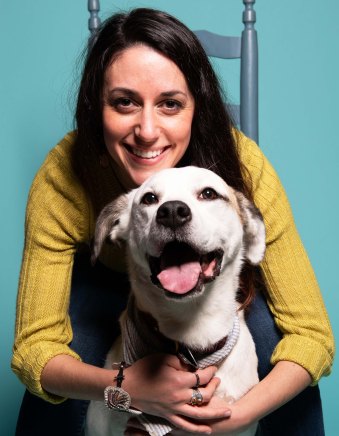


Welcome Amanda!
Me: You are a teacher, an artist, and a writer. What is it then that draws you to writing picture books?
Amanda: I think the common denominator in all three of those areas is storytelling. As both a teacher and writer/artist, I want to empower younger generations to share their stories and take time to listen and learn from the stories of others. We all have a story to tell.
In 2012, after taking a continuing education course at the School of the Museum of Fine Arts Boston called Illustrating Children’s Books with illustrator Ilse Plume, I realized that children’s books combine all three of these: art, writing, and stories. After completing that course, I dove headfirst into the craft of writing and illustrating for children (while balancing my job as a full-time high school teacher).


Me: Congrats! This is your picture debut AND you won the Ann Whitford Paul Grant last year for the most promising picture book. The manuscript that won, THE MEMORY MARCH, sounds amazing too. How do you find such amazing nuggets of real life to turn into a picture book?
Amanda: Thanks so much, Jena! I love doing research and am naturally a very curious person. I love to ask questions and seek to understand. Because of this, I often find myself down rabbit holes that once in a while lead to inspiration for new story ideas. I think staying curious is so important when it comes to creativity. You never know where the next story idea is lurking so we must keep our minds open and in a state of wonder.
I also love talking to people and as mentioned before, learning other people’s stories. I have a background in journalism so it’s been wonderful combining my love for interviewing people into my non-fiction children’s work.
Me: What was it about the 9-11 flag’s story that first grabbed you and drew you to write about it?
Amanda: Oh my, so many things! But above all, I have to go back to the idea of the stories (clearly I have a thing for stories, ha!). 30,000 stitches were placed in this flag to piece it back together, which means at least 30,000 hands touched this flag and each person had their own special story to share. Whether it was a story of sacrifice, loss, or love, each person’s story is now woven into the fabric of that flag.
When I first learned about the story of the flag, this idea resonated with me and reminded me that we are connected through these shared stories and universal emotions. This flag is a symbol of resilience, and our ability to overcome tragedy and hate if we unite and come together. This is what drew me to the story and sparked me to want to learn more.


Me: Did you have to do a lot of research for this story? Can you tell us a bit about that process for this story?
Amanda: Yes! Oh my! Research, research, research and even after the story was acquired, more research! Because of the weighty topic and the many people who were involved in the real-life restoration of the flag, I felt an overwhelming responsibility to get the story right. After all, this is not my story but everyone’s story.


I made the choice early on that I wanted to share the story with my sources and allow them to read it. I can’t imagine publishing the book without their blessing. I know that’s not always something that is required in nonfiction writing, but it was important to me that they were happy with the book and that it accurately and meaningfully depicted their experiences.
Me: This story is so moving. It shows many communities across the country being brought together and the healing of multiple tragedies. Is that an important message for you to share with young readers? Why?
Amanda: I’m so glad you picked up on this, Jena. Yes, the healing is such a huge part of the story and something I think we could all use a bit of right now after this challenging year we’ve been through. The flag traveled over 120,000 miles, touching many hearts and many hands along the way. Not only were people still healing from the tragedy of 9/11 but also some of their own local and horrific tragedies.
For example, the flag traveled to and was stitched at Columbine High School in Colorado, the Oklahoma City National Memorial, Tucson, Arizona, and Fort Hood, Texas. In my interviews, I remember speaking to Carolyn Deters who was a member of the flag tour staff, and she said,
“We all suffer from something. We all need healing. You need to be able to reach out and help other people because that is the only way you are going to get through it…we will never forget the effect the flag had on the people. It helped the nation heal.”
I hope that anyone who reads 30,000 Stitches will be reminded of this sentiment and find comfort and healing in the pages of the book.


Me: Sally Wern Comport’s illustrations in this book are beautiful. Did you communicate with her at all during the creation of them? Were there any illustration surprises for you?
Amanda: Sally’s art is stunning and adds so much depth to the story. I didn’t communicate with her directly during the process of creation but I was brought in for feedback throughout the illustration process. I would relay any thoughts to my editor, who would route those through the art director and later to Sally. As I mentioned, because of the nature of the topic, it was important to not only get the accuracy of the text correct, but the illustrations, too.
I’m glad I could use my own expertise on the topic and connection to my sources to help with this part of the process as well. I’ve been a huge fan of Sally’s work for a while and loved her illustrations in Ada’s Violin. Because of this, I was familiar with her style, but was still blown away by the amount of hidden details in the art. For example, even in the opening spread, if you look closely, you can see what looks like real headlines from newspaper reports of 9/11. I also love how the pages that feature the flag, look like they have a fabric texture to them. Soooo cool! =)

Me: I agree! Any advice for other picture book writers?
Amanda: Your writing or art is never going to be perfect. I often get caught in the trap of eternal revision but at some point, we need to shut it down, take a deep breath and send our work out into the world. When you land an agent or editor they’re going to have their own thoughts about how to improve the story.
You will continue to get feedback and your work will continue to evolve. Try not to get too stuck in your head about making changes or else you may never take that next step in submitting your work. If you’ve done your due diligence with critiques and feel it’s as polished as it can get, go ahead and take the plunge!!
And remember, try not to take a pass or radio silence personally, some people are going to connect with your work and others are not. That’s the beauty of the arts!
Oh, and lastly, don’t forget to celebrate each small win along the way. Too often we look to the finish line but forget to acknowledge each stride that gets us there. Let’s practice celebrating you right now! As your reading this, I want you to pat yourself on the back and say out loud, “I’M AWESOME AND I ROCK!” Cheers to us all for being the amazing creators that we are!!!
I love that Amanda. Thank you again for stopping by my blog.
Dear readers, if you haven’t yet had a chance to read this book, I cannot recommend it enough as an incredible example of how to write such a challenging topic. Many people were involved in the events this book is based on and many people helped to bring this book about. It truly was a team effort. It took one writer to craft the words into this beautiful story, one illustrator to bring the story to life, and a publishing team that believed in it. Don’t miss it!